
What is Mehndi Celebrations in a Pakistani Wedding?
In the vibrant tapestry of Pakistani weddings, the Mehndi celebration stands out as one of the most colorful and joyous events. This pre-wedding festivity is deeply rooted in tradition and culture, offering a perfect blend of merriment, music, dance, and intricate henna designs. Let’s delve into the essence of Mehndi celebrations and what makes them an integral part of Pakistani weddings.
A Prelude to Marriage
The Mehndi ceremony, typically held a day or two before the wedding, serves as a joyous prelude to the main event. It is a time for the bride and groom’s families to come together and celebrate the impending union. Traditionally, this event was exclusive to women, but in contemporary practices, it has become a co-ed celebration, with both families participating enthusiastically.
The Significance of Henna
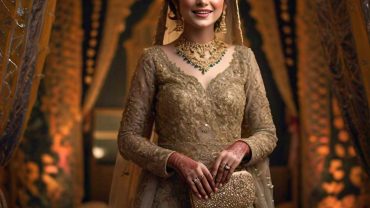
At the heart of the Mehndi celebration is the application of henna (mehndi) on the bride’s hands and feet. This practice is believed to bring good luck and prosperity to the couple. The intricate designs range from delicate florals and paisleys to more elaborate patterns that cover most of the skin. The darker the henna stain, the more auspicious it is considered, often seen as a sign of deep love and affection between the couple.
The Attire
The Mehndi ceremony is a feast for the eyes with its vivid display of colors. The bride usually dons a traditional outfit, often a lehenga or a heavily embellished shalwar kameez in bright hues like yellow, green, or orange, which symbolize happiness and prosperity. The groom may also wear a similarly vibrant kurta or sherwani. Guests, too, embrace the colorful theme, adding to the festive ambiance.
Music and Dance
No Mehndi celebration is complete without music and dance. This is the time when friends and family members perform choreographed dances, often set to popular Bollywood and traditional Pakistani songs. Dholki (drum) beats resonate throughout the night, encouraging everyone to join in the dance. The bride and groom sometimes perform a special dance, adding a personal touch to the festivities.
The Rituals
While the highlight is the application of mehndi, several other rituals take place during the ceremony. These can include:
- Rasm-e-Heena: The official application of mehndi by the bride’s family, starting with the eldest female members.
- Joota Chupai: A playful tradition where the bride’s sisters or friends steal the groom’s shoes and demand a ransom for their return.
- Singing of Traditional Songs: Women from both families sing traditional wedding songs, often recounting tales of love and marriage.
A Feast for All
A lavish spread of traditional Pakistani cuisine is an integral part of the Mehndi celebration. Guests enjoy a variety of dishes, from biryanis and kebabs to sweets like gulab jamun and jalebi. The food serves as a delightful accompaniment to the evening’s festivities, keeping the energy levels high.
The Symbolism of Togetherness
The Mehndi ceremony is more than just a celebration; it is a symbol of togetherness and the blending of two families. It allows relatives and friends from both sides to interact, fostering a sense of unity and camaraderie that sets the tone for the wedding day.
Mehndi celebrations in a Pakistani wedding are a beautiful amalgamation of tradition, joy, and cultural richness. They encapsulate the spirit of festivity and togetherness, marking the beginning of a couple’s journey with blessings, laughter, and love. Whether you’re a part of the bride’s or groom’s entourage, the Mehndi ceremony promises an unforgettable experience filled with color, music, and the warmth of familial bonds.

Comment (0)